
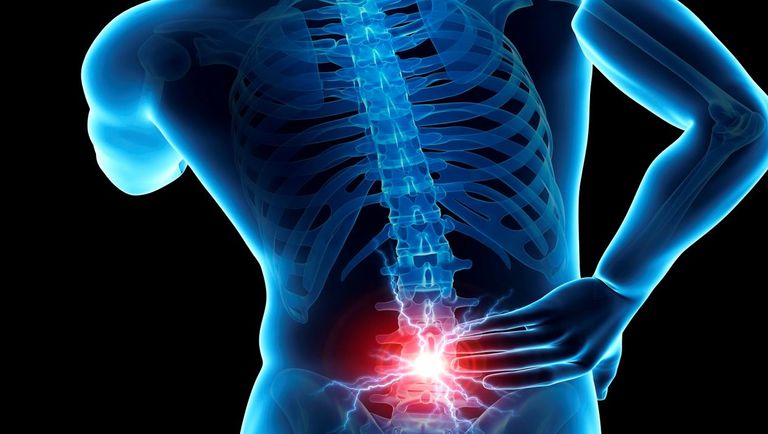
Routine Scans For Low-back Pain Do Not Improve Outcomes
Physicians should not immediately order routine scans for low-back pain unless they observe features of a serious underlying condition, researchers in the Oregon Evidence-Based Practice Center at Oregon Health & Science University report. Their findings are published in this week's edition of the The Lancet.
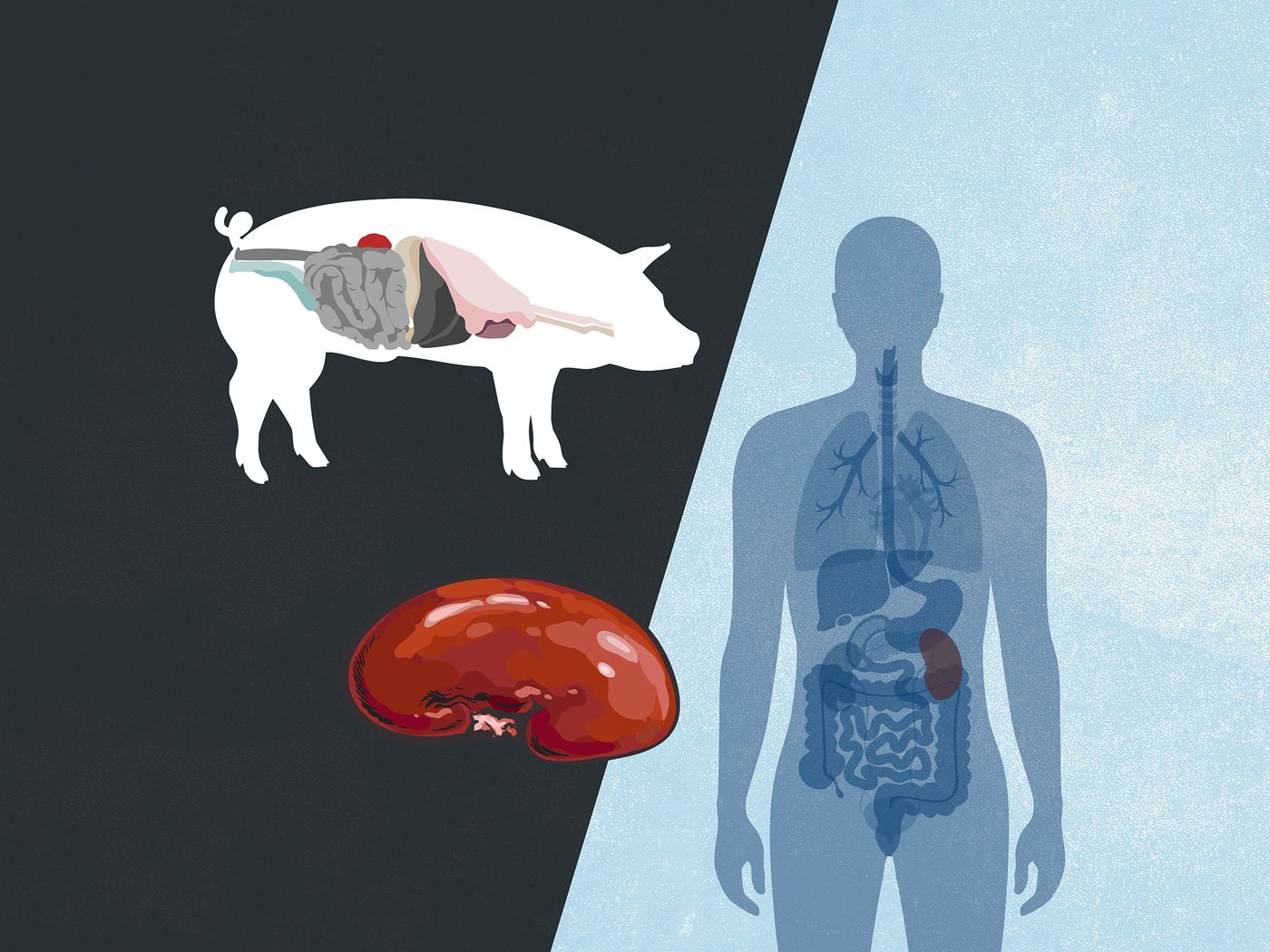
Drug testing breakthrough as researchers reveal incredible laser system that lets them see inside animals organs in real time
A new laser imaging technique now allows for a real time look inside the the body of a small animal. The technique, which uses light and ultrasound, provides enough resolution to see active organs, flowing blood, circulating melanoma cells and firing neural networks.
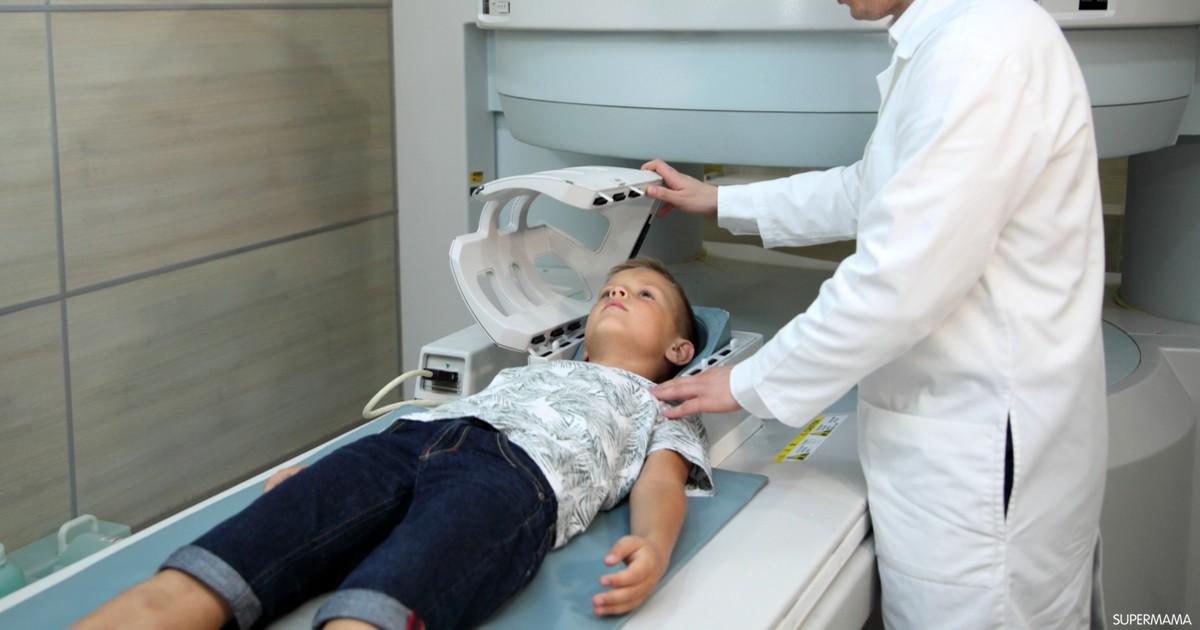
Many chest X-rays in children are unnecessary
Some children are receiving chest X-rays that may be unnecessary and offer no clinical benefit to the patient, according to a new study. "Chest X-rays can be a valuable exam when ordered for the correct indications," said a radiologist. "However, there are several indications where pediatric chest X-rays offer no benefit and likely should not be performed to decrease radiation dose and cost."
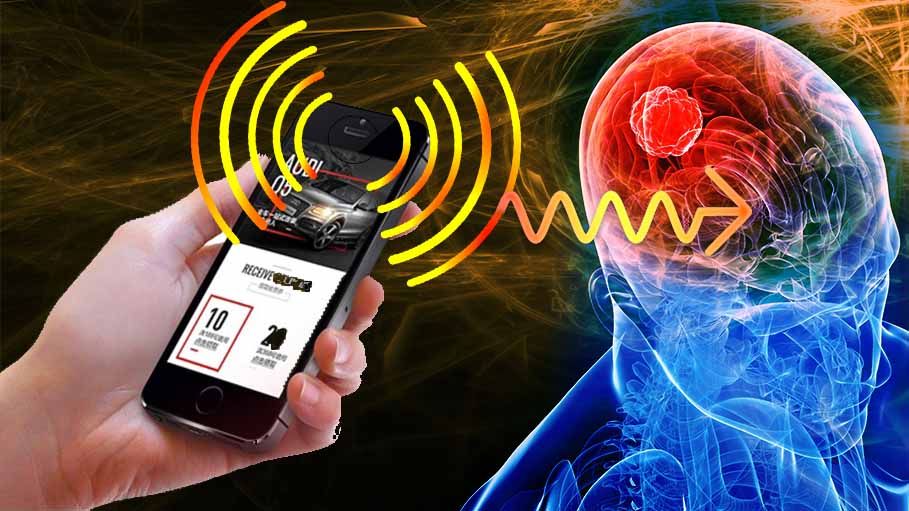
Your mobile phone can reveal whether you have been exposed to radiation
In accidents or terror attacks which are suspected to involve radioactive substances, it can be difficult to determine whether people nearby have been exposed to radiation. But by analysing mobile phones and other objects which come in close contact with the body, it is possible to retrieve important information on radiation exposure.
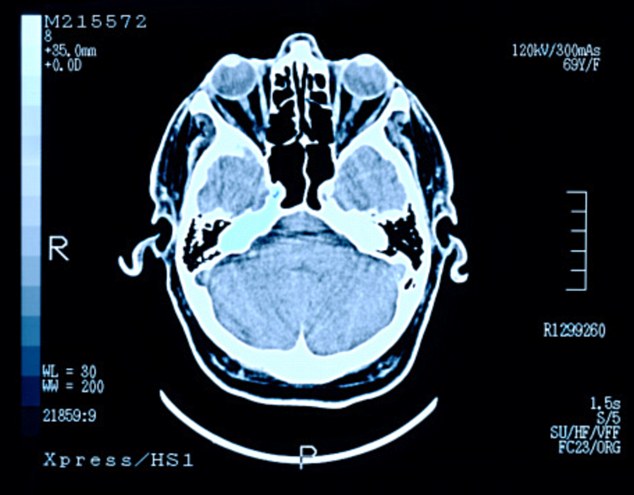
Accurate test for autism? Scientists use MRI scan to diagnose condition in hundreds of babies under 2 years old
The study, published today in Nature, is the first to show it is possible to identify which infants - among those with older siblings with autism - will be diagnosed with autism at 24 months of age.
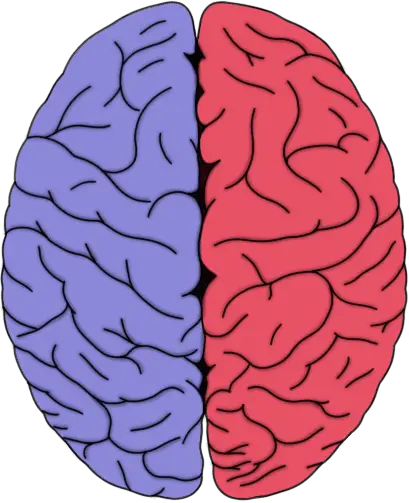
DETECTING LIES WITH FMRI
In 2006, a company called No Lie MRI began advertising their ability to detect "deception and other information stored in the brain" using functional magnetic resonance imaging (fMRI).
Related Posts
-
DETECTING LIES WITH FMRI
16 Jul 2023 -
-
-

Many chest X-rays in children are unnecessary
21 Jul 2023 -